
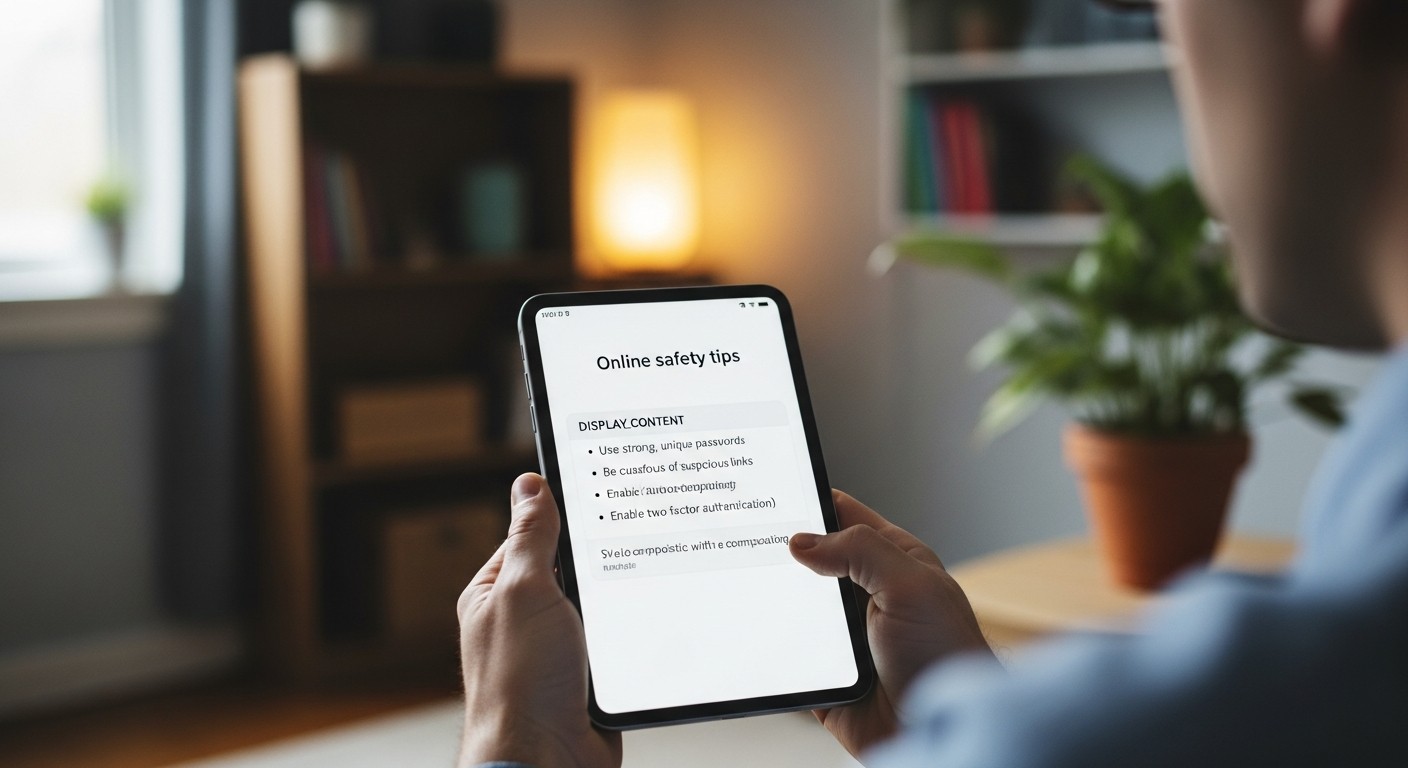
In our ongoing discussion about navigating the digital world safely, it’s easy to feel overwhelmed by the sheer volume of information available. Online safety can seem like a complex maze, particularly for those who aren’t familiar with technical jargon or intricate computer systems. Many resources aim to cover every possible threat, often resulting in lengthy documents that can feel daunting and difficult to absorb. This is where the power of concise learning truly shines, offering a focused approach that prioritizes clarity and immediate applicability.
Mike Potter Programming and Technology Solutions understands that for non-technical users of phones, tablets, and computers, the goal isn’t to become a cybersecurity expert, but to gain practical knowledge to avoid common online scams. This is precisely why their guide to online safety is distilled into a concise 16-page document. It’s designed to cut through the noise, providing essential information without the added complexity that often deters individuals from learning vital protection strategies.
Why Brevity Matters for Online Safety
For many, the idea of sifting through hundreds of pages of technical advice about internet security is enough to make them give up before they even start. A short, focused guide addresses this challenge head-on. It offers several key advantages:
-
Reduces Information Overload
When faced with too much information, the brain can struggle to process and retain it. A concise guide ensures that only the most critical points are presented, making it easier for readers to grasp and remember key safety principles. This approach helps prevent the feeling of being swamped by details that might not be immediately relevant to their daily online activities.
-
Focuses on Actionable Steps
The primary aim of learning about online safety isn’t just to understand threats, but to know what to do about them. A 16-page guide can concentrate on practical, step-by-step instructions for common scenarios. Instead of exhaustive theoretical explanations, it provides clear directives on how to identify and respond to potential risks, empowering users to take immediate action.
-
Builds Confidence Quickly
Achieving small, manageable learning goals can significantly boost confidence. Completing a short guide allows users to feel a sense of accomplishment, encouraging them to apply what they’ve learned. This positive reinforcement can make them more proactive in managing their digital security, rather than feeling intimidated by the vastness of the topic.
-
Respects Your Time
Everyone’s time is valuable. A shorter guide means less time spent reading and more time applying new knowledge. This efficiency is particularly appealing to those who want to enhance their online safety without dedicating extensive hours to study, fitting easily into busy schedules.
What a Concise Guide Prioritizes
Mike Potter Programming and Technology Solutions’ 16-page guide isn’t short because it lacks substance; it’s short because it’s highly efficient. It focuses on the most prevalent online risks and the most effective ways for everyday users to mitigate them. Common scenarios include:
-
Identifying Phishing Attempts
Many situations involve receiving emails or messages that look legitimate but are designed to trick you. The guide helps you spot the tell-tale signs: unusual sender addresses, urgent language demanding immediate action, or suspicious links. What usually causes problems is clicking on a link or providing information without pausing to verify the sender’s legitimacy.
-
Understanding Password Best Practices
Creating strong, unique passwords and using multi-factor authentication are fundamental steps. The guide simplifies these concepts, explaining why a long, complex password is more secure and how tools like password managers can make this easier. It avoids delving into cryptographic algorithms and instead focuses on practical application.
-
Recognizing Malicious Links and Downloads
Common scenarios include encountering pop-ups or download prompts while browsing. The guide offers simple rules for identifying suspicious links before clicking and understanding the risks associated with downloading files from unknown sources. What usually causes problems is the impulsive click driven by curiosity or urgency.
-
Securing Your Devices
Basic steps like keeping software updated on your phone, tablet, and computer are essential. The guide explains why these updates are important for security, often patching vulnerabilities that scammers might exploit. It also touches on privacy settings and how to manage them effectively.
The expertise embedded in such a concise document lies in its ability to distill complex cybersecurity principles into digestible, actionable advice. It acknowledges that while online threats are constantly evolving, a solid foundation of awareness and good digital habits can prevent the vast majority of common scams. The trade-off for conciseness is not a lack of depth in critical areas, but a deliberate exclusion of highly technical or niche topics that would overwhelm the target audience without adding significant practical value for their specific needs.
A balanced perspective on online safety means understanding that no single guide can offer absolute protection against every conceivable threat. However, by providing clear explanations and focusing on prevalent risks, a concise guide can significantly enhance a user’s ability to navigate the internet with greater confidence and security. It offers a practical starting point, equipping individuals with the foundational knowledge to protect themselves in their daily digital interactions on any device.